7 hr
Volcán Barú 4x4 Summit Adventure with Sunrise & Breakfast
- Expert local guide
- Small group
- Skip-the-line access
- Free cancellation
Baru Volcano 4x4 Tour — Sunrise Summit Expeditions
Off-road ascent to Panama's highest peak, sunrise over two oceans
Compare fares, pick the fit — all bookings are mobile-voucher and eligible for free cancellation where shown.
7 hr
8 hr
9 hr
Exploring the high-altitude landscapes of Chiriquí via a baru volcano 4x4 tour offers an accessible path to the summit for travelers who prefer to bypass the strenuous trek. Whether you choose a shared expedition or a private journey, these off-road vehicle trips provide essential access to Panama's most significant volcanic landmark.
| Shared Sunrise Expedition Budget-friendly group access |
Top pick Private Summit 4x4 Flexible exclusive transport |
|
|---|---|---|
| Summit Access | Included | Included |
| Departure Time | Pre-dawn (approx 03:30) | Customizable/Flexible |
| Estimated Duration | 5–6 hours | 4–6 hours |
| Group Type | Mixed group | Private vehicle |
| Inclusions | Guide, breakfast, 4x4 transport | Guide, breakfast, 4x4 transport |
| Best for | First-timers and solo travelers | Groups and photographers |
| See tickets & prices |
Verdict: For the most personalized experience, travelers should book private baru volcano 4x4 tour tickets to manage their own schedule and pace.
Worth it for sunrise seekers avoiding the hike
A baru volcano 4x4 tour delivers summit access without the grueling overnight trek—professional drivers navigate the rugged ascent while you arrive for dawn over both the Pacific and Caribbean. The conservation fee of 7 USD per person secures entry to Parque Nacional Volcán Barú, and tour operators bundle transportation, breakfast, and logistical coordination into packages that eliminate the need for rental vehicles or local guides. The value proposition hinges on convenience: off-road vehicle trips compress what would otherwise be a 5–6 hour uphill slog into a pre-dawn shuttle, leaving energy for the panoramic reward at 3,475 meters. For travelers prioritizing the sunrise spectacle over the physical challenge, the premium pays off. Budget hikers willing to camp overnight and self-navigate can skip the guided option, but most first-time visitors find the structured baru volcano 4x4 tour format justifies the cost—especially when factoring in safety on steep volcanic terrain and reliable wake-up logistics for the narrow 05:00–13:00 window.
Bottom line: The tours trade hiking effort for logistical ease—worth the premium if sunrise access and safety outweigh the cost of independent trekking.
Choosing between a vehicle-based excursion and a traditional hike depends on your stamina; most travelers find the motorized ascent ideal for panoramic crater photography while the trek offers a deeper connection to the cloud forest. These baru volcano 4x4 tour tours serve those seeking efficiency, whereas hikers prefer the rugged challenge of the ascent.
|
Top pick 4x4 Vehicle Tour |
Summit Trek | |
|---|---|---|
| Physical exertion level | Minimal effort | High, strenuous endurance |
| Comfort and fatigue | High comfort; low fatigue | Low comfort; high fatigue |
| Summit access reliability | Dependent on vehicle capacity | Dependent on physical fitness |
| Total travel time | Approximately 3–5 hours | Approximately 10–14 hours |
| Accessibility for all ages | Suitable for most ages | Recommended for fit adults only |
| Terrain navigation | Managed by professional driver | Self-guided or guide-led hiking |
| See tickets & prices |
Verdict: Securing baru volcano 4x4 tour tickets provides a relaxed path to the summit for travelers prioritizing comfort, while the trekking experience is preferred by those who value personal physical achievement.
Hand-picked experiences loved by thousands of travelers
8 hours
Free Cancellation
Trek Panama's highest peak under starlight and watch dawn reveal both Pacific and Caribbean waters
5 hours
Free Cancellation
Journey through misty mountain forests to a stunning waterfall, exploring local agriculture and wildlife
7 hours
Free Cancellation
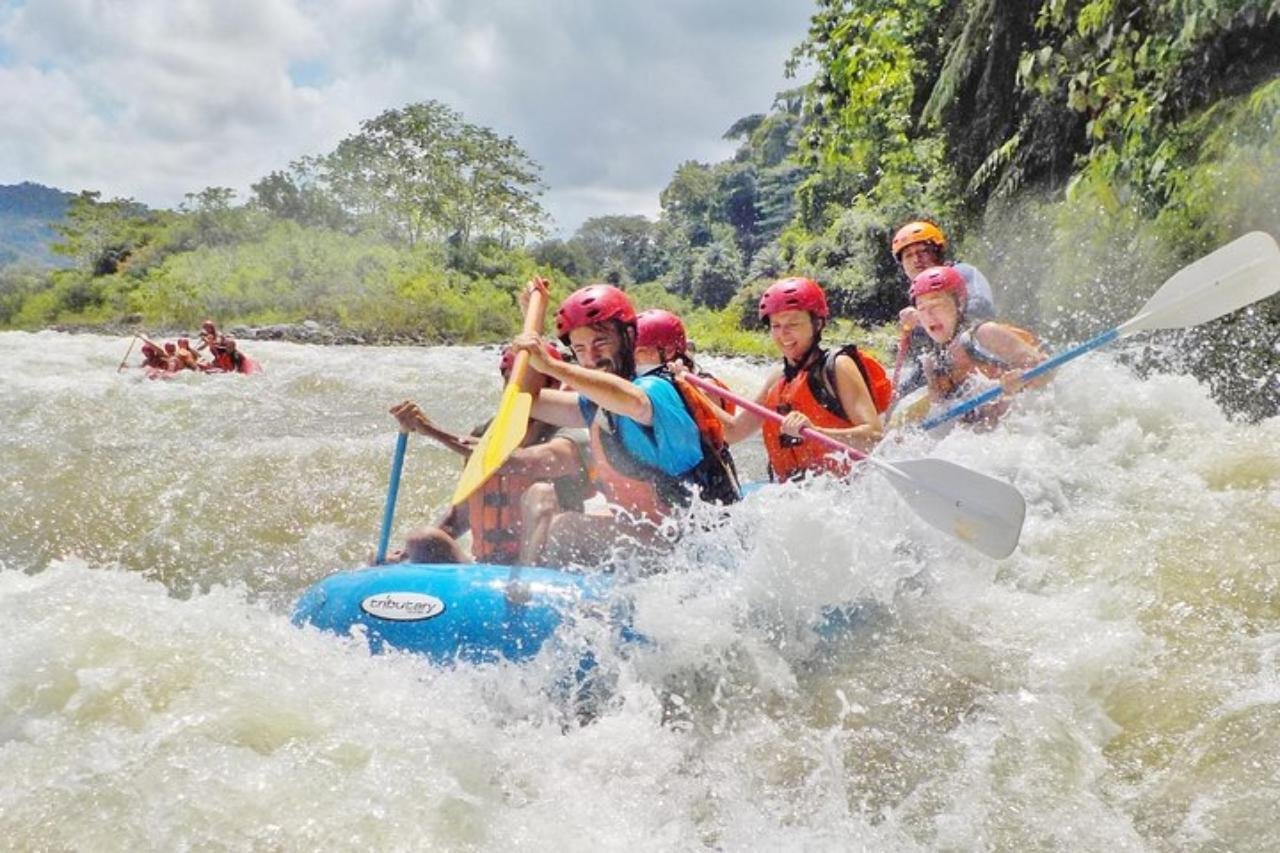
Navigate exciting Class III rapids through lush jungle scenery on this full-day rafting expedition
2 hours
Free Cancellation
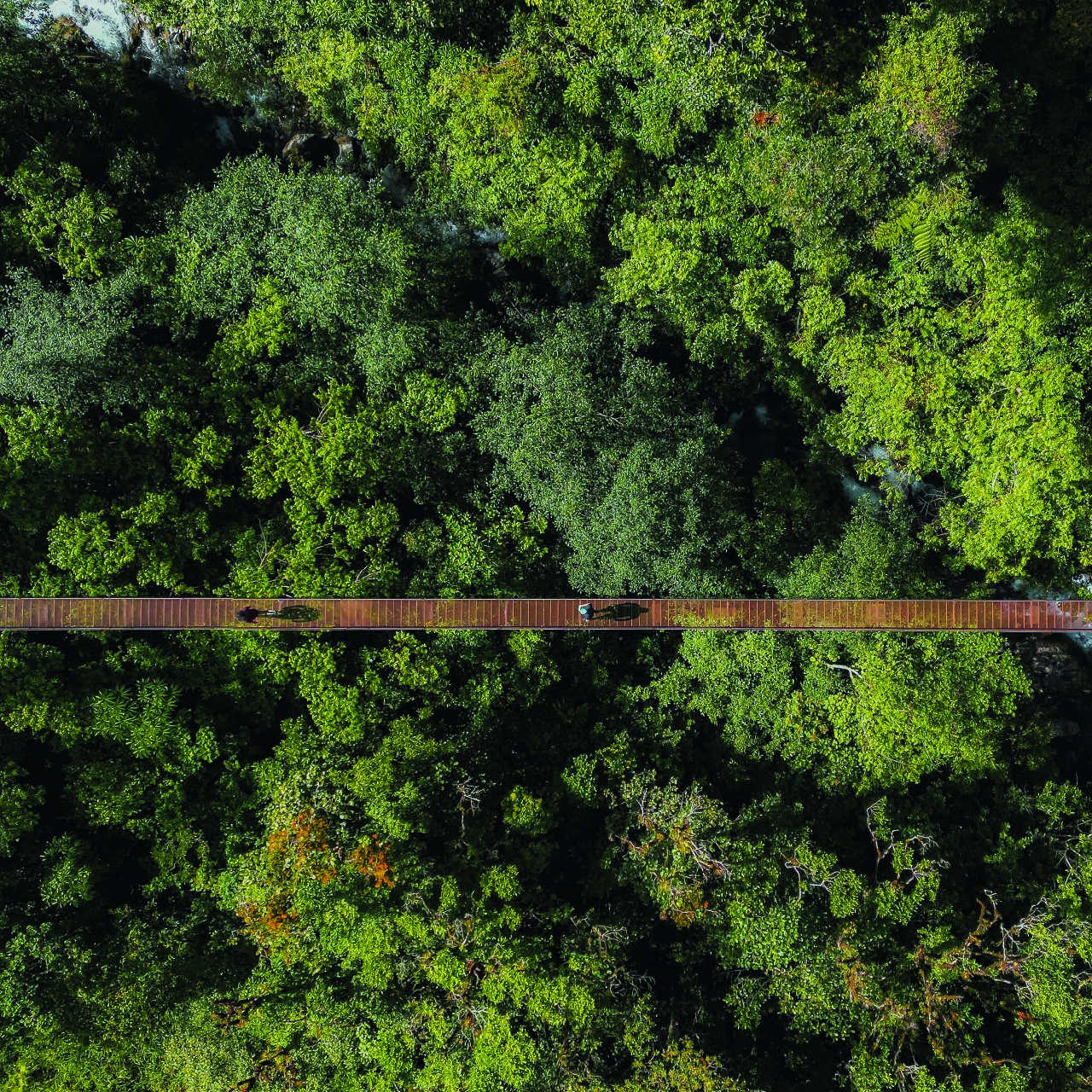
Walk six elevated bridges up to 75 meters high through Panama's misty mountain rainforest canopy
4 hours
Free Cancellation
Trek through misty cloud forest on this half-day guided hike seeking quetzals, sloths, and monkeys
3 hours
Free Cancellation
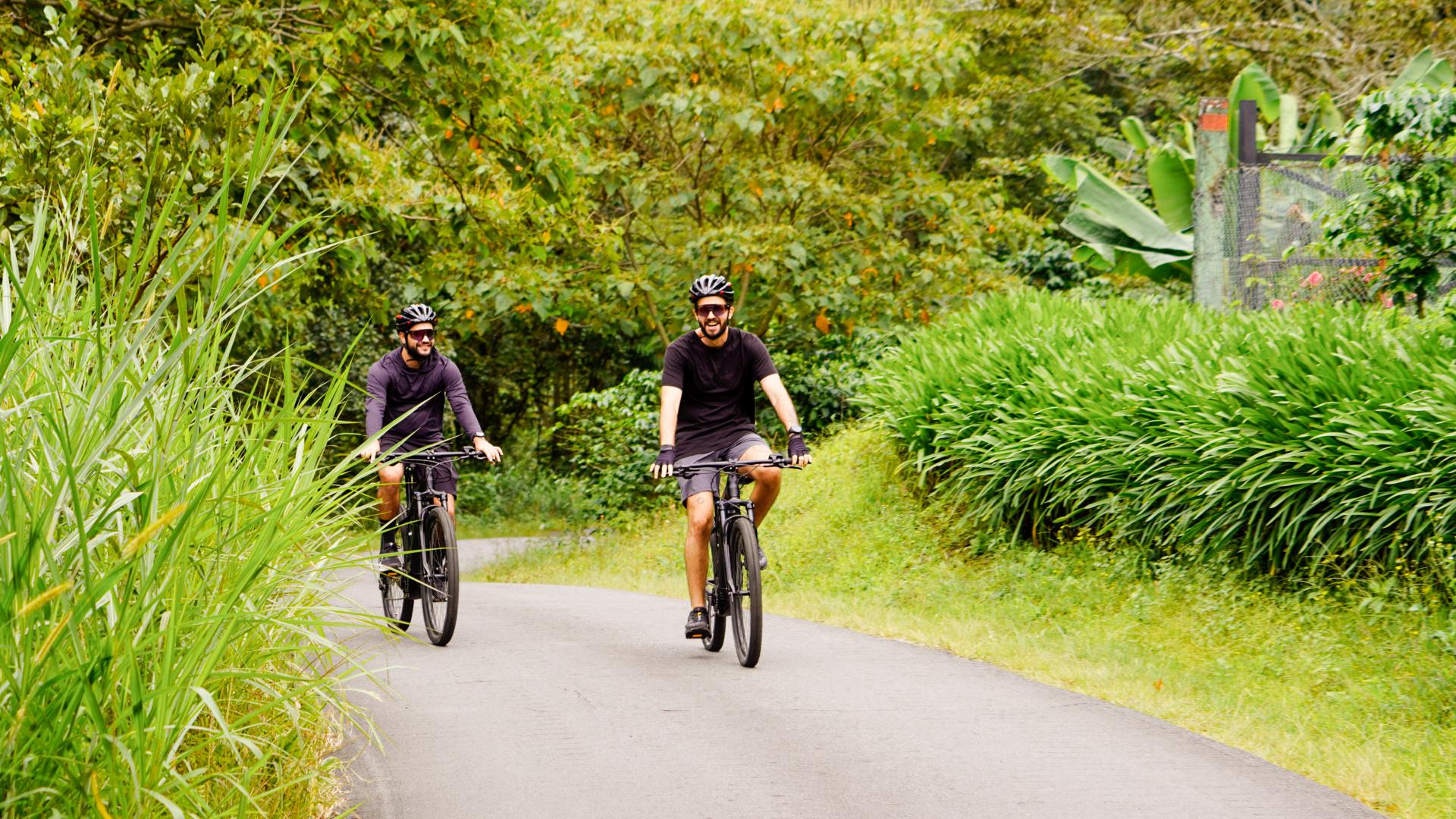
Discover Boquete's heritage, natural beauty, and local culture on a relaxing guided e-bike adventure
5.5 hours
Free Cancellation
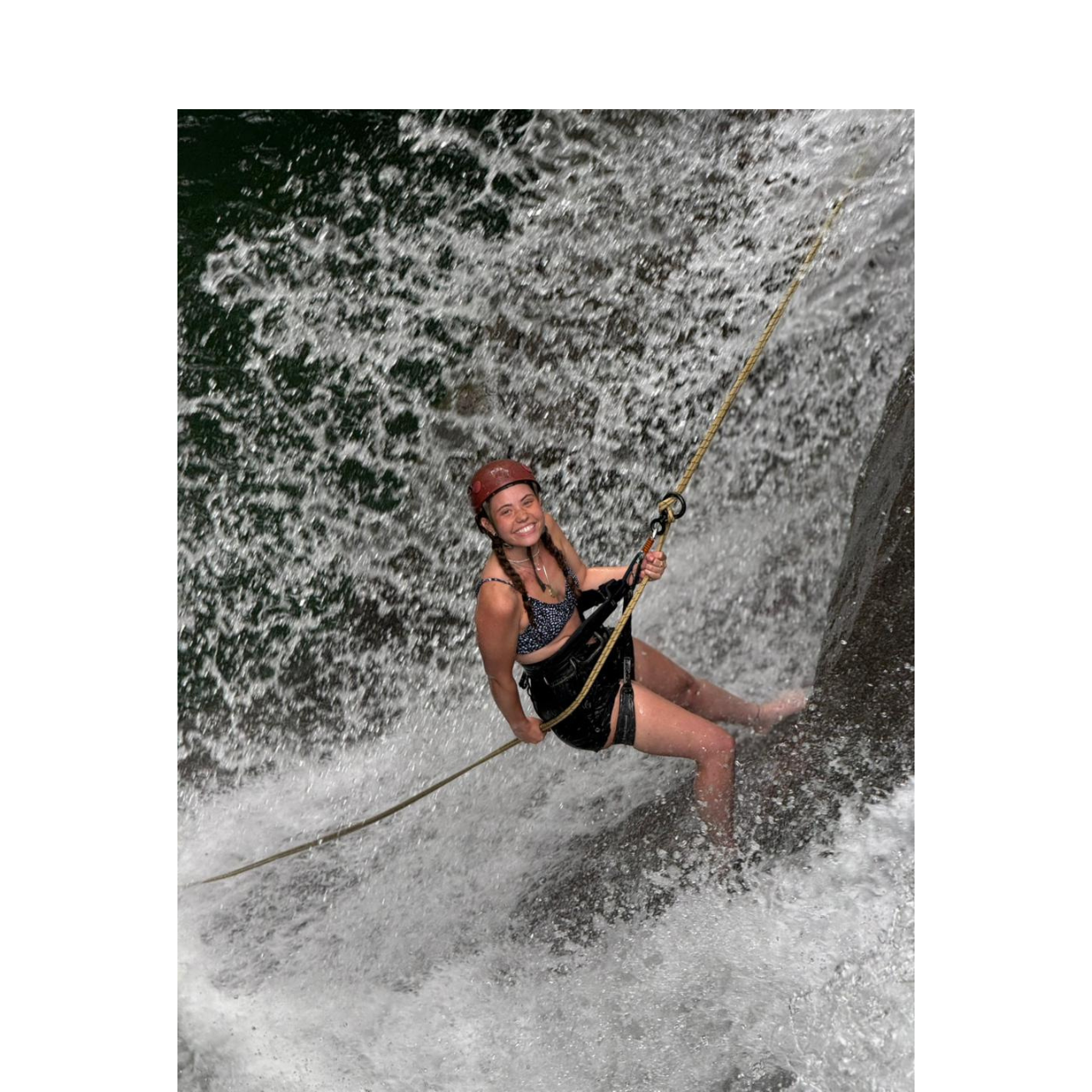
Descend a stunning waterfall by rope, swim in natural pools, and experience pure adrenaline in Caldera
1 hour
Free Cancellation
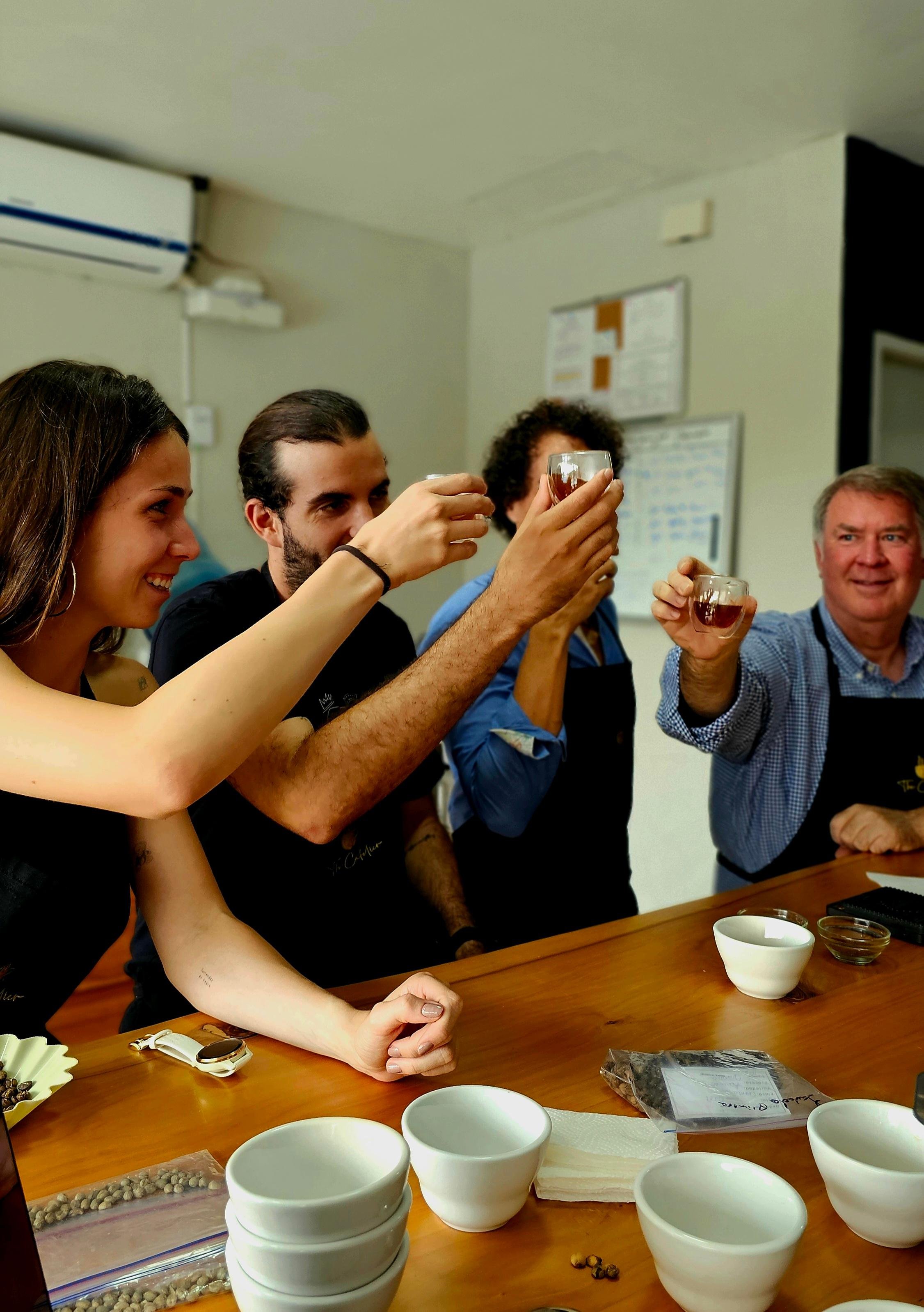
Explore Panama's coffee diversity through a professional tasting of three specialty brews including Geisha
Verify documentation and pay the 7 USD conservation fee
Off-road transit through cloud forest
Observation of the volcanic crater and coastline
Guided return to the lower park entrance
The primary geological feature formed by ancient eruptions measuring nearly 1km in width.
The highest point in Panama, allowing views of both the Pacific and Caribbean simultaneously.
This ecosystem sits at a high elevation and is home to rare avian species like the Resplendent Quetzal.
Iconic structures located at the highest accessible point of the peak.
You leave Boquete at 03:00, the town still dark except for a single bakery window. The 4x4 climbs through coffee farms and past the last roadside house, then enters the national park gate where your guide pays the seven-dollar conservation fee and signs the logbook. The pavement ends.
For the next hour you grip the roll bar as the truck grinds upward in low gear, headlights cutting through banks of fog that spill over the ridgeline. The air temperature drops fifteen degrees. You pass the tree line, then the false summit, then a final steep pitch where the tyres spin on loose gravel before catching.
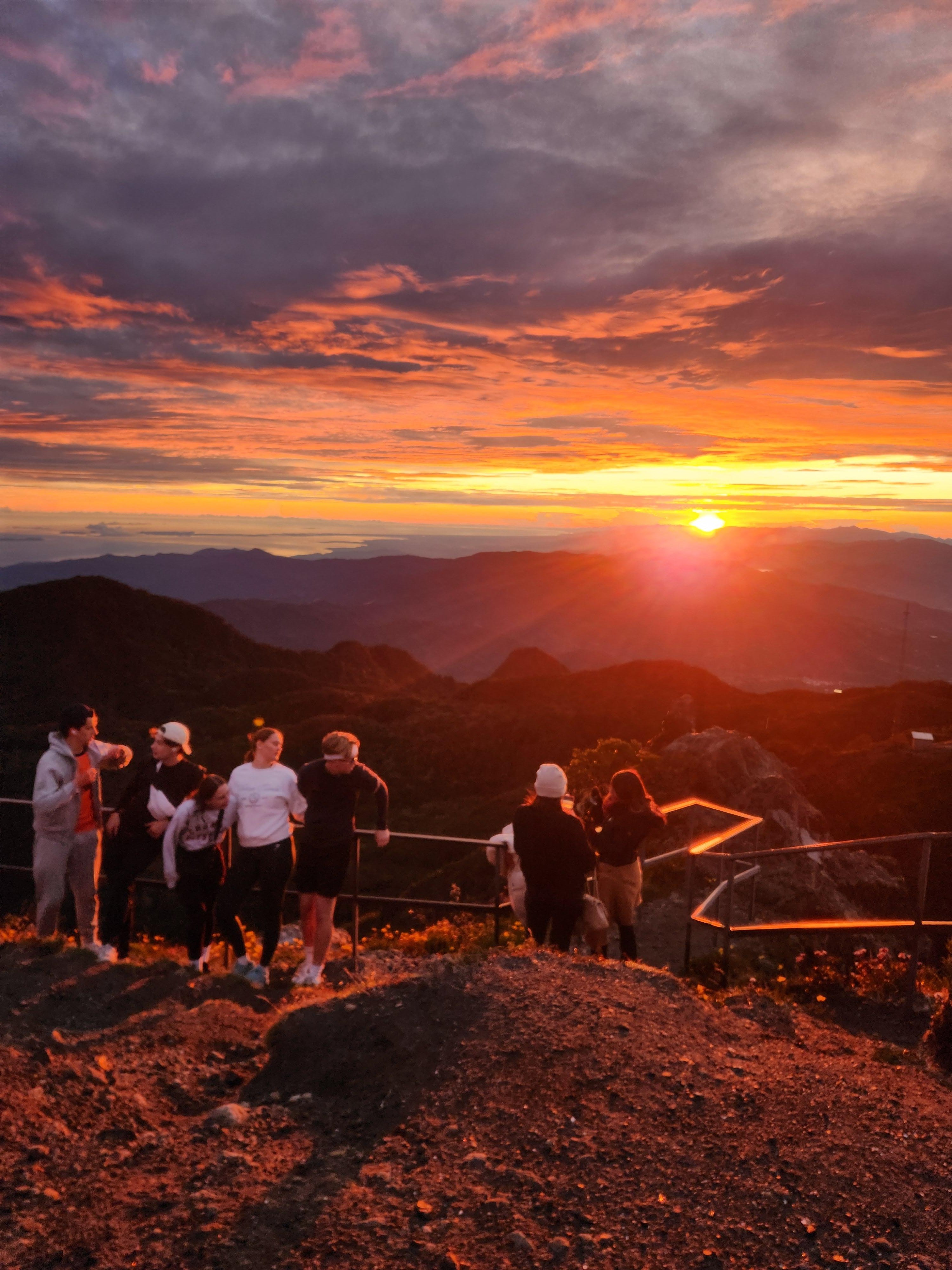
At the summit you step out into freezing wind and near-total darkness. Other vehicles arrive, their red taillights glowing like embers. You walk to the crater rim and wait. The sky lightens from black to cobalt. At 05:47 the sun breaks the eastern horizon and for twelve minutes both oceans are visible: the Caribbean a pale grey band to the north, the Pacific a darker indigo to the south. Your guide hands you a thermos of coffee. By 06:15 the clouds have returned and the descent begins, slower and more cautious than the climb, wheels locked on the steepest grades, until you reach the breakfast shelter at 2,800 metres and sit down to scrambled eggs and fried plantains.
All the details about your upcoming adventure in one place
Volcán Barú rises 3,474 metres above sea level, making it the highest point in Panama and the only place in the world where both the Pacific Ocean and Caribbean Sea are visible from a single vantage point under clear conditions.
The dormant stratovolcano last erupted approximately 500 years ago, leaving behind a summit crater now colonized by highland scrub and a network of telecommunications towers that share the peak with sunrise-seeking visitors. The ascent route — originally a mule track used by indigenous Ngäbe communities to traverse the Talamanca range — was widened into a rough vehicle track in the 1970s, though the final two kilometres remain accessible only on foot or by high-clearance 4x4. The surrounding national park, established in 1976, protects 14,325 hectares of cloud forest, montane oak groves, and páramo-like grassland that shelter resplendent quetzals, three-wattled bellbirds, and more than 250 recorded bird species.
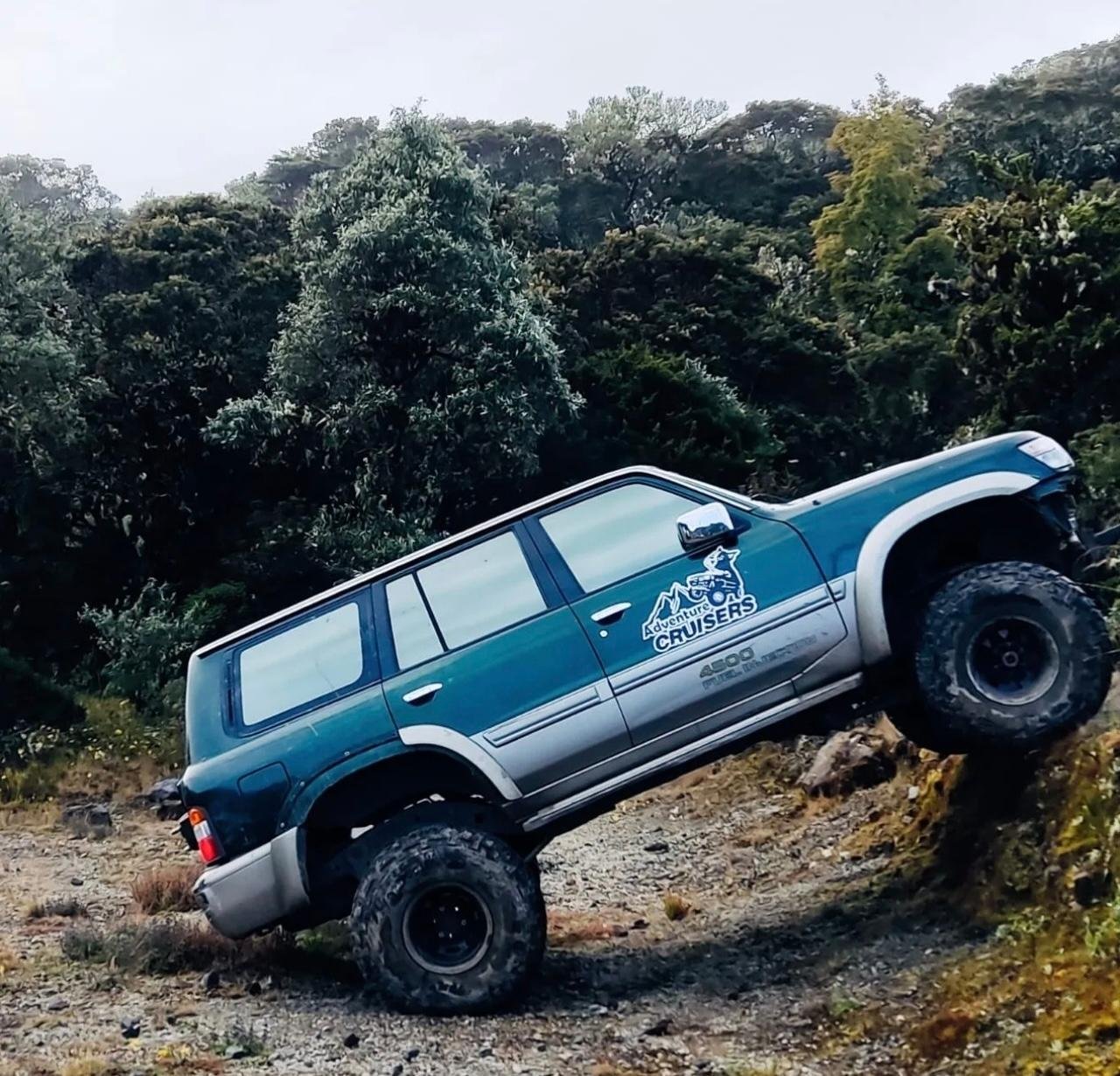
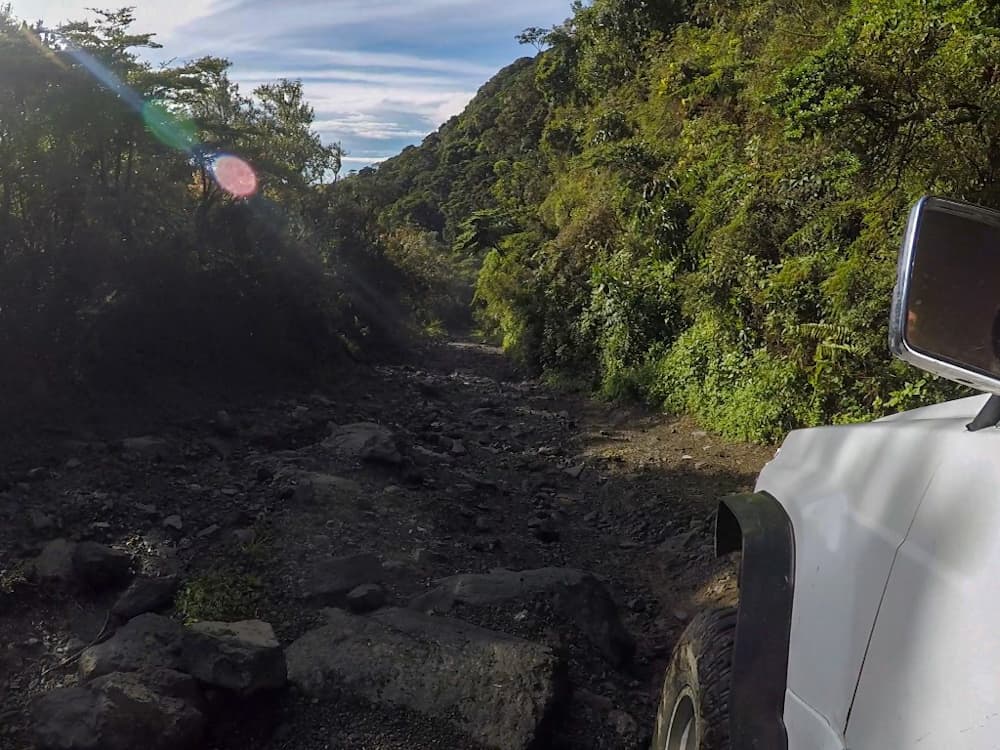
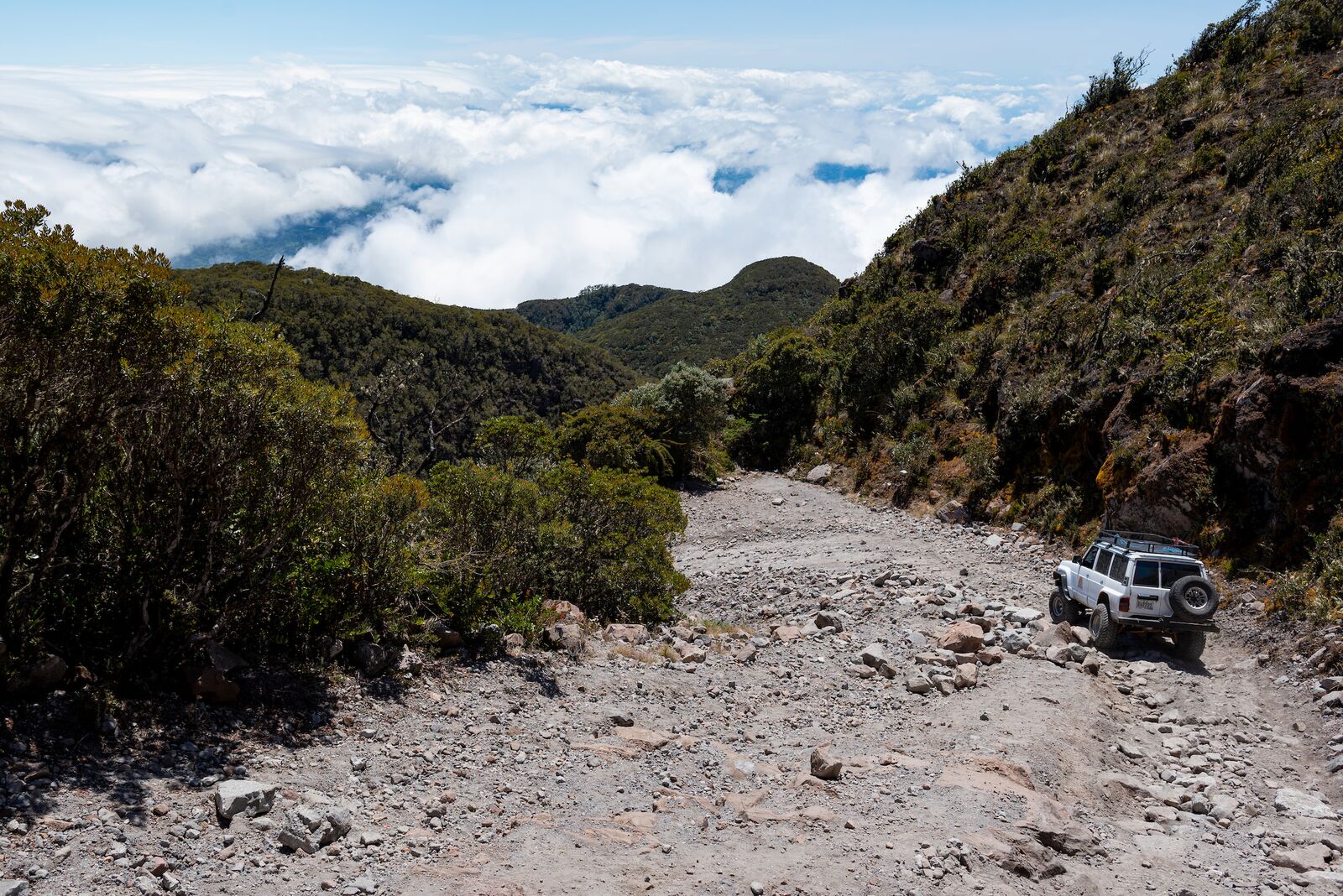
Today, Baru Volcano 4x4 tours depart from Boquete and Volcán in the pre-dawn hours, navigating switchbacks that climb through coffee plantations, past the tree line, and into the upper cloud zone where temperatures drop to near freezing. The track itself is notorious: 14 kilometres of loose volcanic gravel, washboard ruts, and exposed shoulders that fall away into pine thickets hundreds of metres below. Standard passenger vehicles cannot attempt the route; only modified 4x4 pickups and Land Cruisers equipped with locking differentials and off-road tyres make the journey reliably. Guides time departures to reach the summit between 05:30 and 06:15, when the rising sun illuminates both coastlines in a gradient of indigo, amber, and pale gold — a spectacle that lasts no more than fifteen minutes before equatorial cloud banks roll in from the Caribbean slope.
The summit experience is shaped entirely by weather. On perhaps 80 days a year, conditions align: dry-season winds suppress cloud formation, and the double-ocean view unfolds in crystalline detail. On all other mornings, visitors stand in thick fog, hearing only the hum of wind turbines and the calls of volcano juncos. Even in poor visibility, the summit retains a stark beauty — the crater rim scattered with wind-sculpted trees, the volcanic soil studded with quartz fragments, and the sense of standing atop a landmass that once connected Central and South America. Most Baru Volcano 4x4 tour operators include breakfast at a lower-elevation shelter on the descent, where the view opens onto the Boquete valley and the ribbon of the Caldera River far below.
The only place in the world where both the Pacific Ocean and Caribbean Sea are visible from a single vantage point.
Wear warm, layered clothing as temperatures drop significantly near the summit. Sturdy, closed-toe hiking boots are required for safety on the rough volcanic terrain during any baru volcano 4x4 tour.
Keep all personal belongings secured within your vehicle during the transit. There are no lockers available at the checkpoint for your baru volcano 4x4 tour tour items.
Photography is permitted throughout the national park. Ensure your camera gear is protected from dust and moisture typical in high-altitude environments.
Children should be supervised at all times due to the extreme altitude and steep volcanic cliffs. Consult with tour operators regarding age restrictions for off-road transit.
The terrain is rugged and steep, making standard mobility aids unsuitable. The baru volcano 4x4 tour requires participants to be physically capable of boarding high-clearance off-road vehicles.
Bring sufficient water and high-energy snacks as there are no food vendors at the summit. Pack out all waste to maintain the pristine condition of the park.
Opening Hours
05:00–13:00
Address
Parque Nacional Volcán Barú, Chiriquí Province, Panama
Vehicle Access
Off-road 4x4 vehicles required for steep terrain
Best Arrival
05:00–12:00
Storage
Not available at the main park entrance
Official Site
https://reservasap.miambiente.gob.pa
Car · 60-90 min · Fuel costs vary
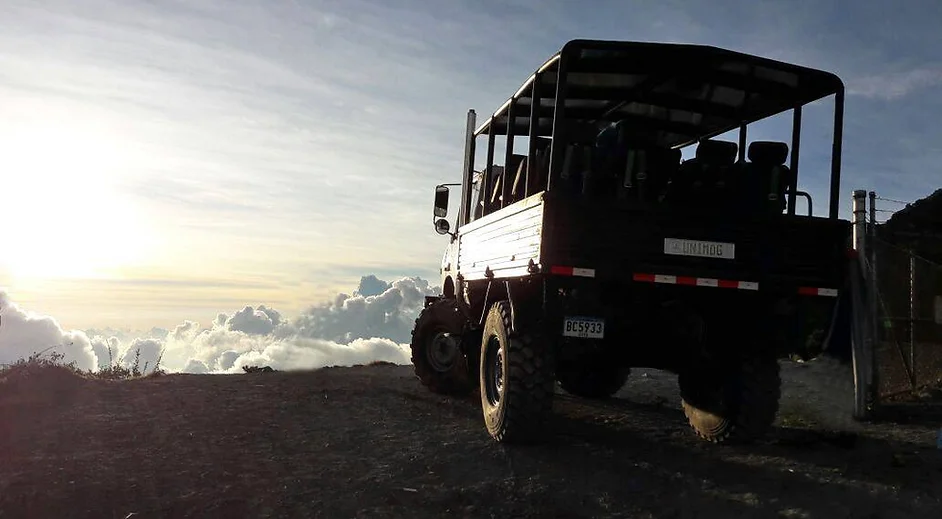
Private 4x4 vehicles are required for the steep, unpaved ascent to the summit.
Taxi · 90 min · Varies by operator
Hire a local 4x4 transport service from Boquete or Volcán towns.
Cancellations must be requested at least 24 hours in advance for a refund. The 7 USD conservation fee per person is subject to the official park refund policy.
Recommended time
4-6 hours
To experience the summit ascent effectively, plan your visit for the early morning to minimize exposure to afternoon rain. A typical baru volcano 4x4 tour covers the rugged terrain transit and high-altitude transit, ensuring you clear the conservation zone before closing. Visitors opting for these off-road vehicle trips should secure their baru volcano 4x4 tour tickets in advance, as early morning slots provide the best visibility for the diverse ecosystems across the Chiriquí Province. You can manage your expectations regarding baru volcano 4x4 tour tours by arriving during the recommended window.
Crowd levels through the day
Weather · crowds · average price — dots go green to amber to red as each metric rises.
Clearer skies offer better visibility for those booking baru volcano 4x4 tour tickets.
Expect afternoon rain showers, making early morning arrivals essential for your baru volcano 4x4 tour.
Milder temperatures prevail, though cloud cover can fluctuate rapidly.
Dry season provides the most consistent weather for panoramic views from the summit.
Drink plenty of water before and during the ascent to mitigate altitude sickness. The elevation exceeds 3,400 meters, which can affect visitors quickly.
Apply sunscreen before starting, as UV radiation is intense at high altitudes. The clear air at the summit offers little protection against the sun.
Parque Nacional Volcán Barú, Chiriquí
Main checkpoint for all vehicles
Get directionsVolcán Barú stood as a sacred threshold for indigenous Ngäbe and Buglé peoples long before Spanish conquest reached Chiriquí Province in the sixteenth century. The dormant stratovolcano last erupted roughly five hundred years ago, leaving behind fertile highland soils that drew coffee planters and subsistence farmers to its lower slopes by the late 1800s. Early ascents followed mule trails carved by farmers hauling produce; no formal road existed. In 1976, Panama designated the massif and surrounding cloud forest as Parque Nacional Volcán Barú, recognizing both its biological corridor and watershed role for the Chiriquí and David river systems. The national park boundary enclosed 14,325 hectares of montane forest, subalpine scrub, and páramo. Commercial interest in summit access began in the 1980s when adventure outfitters in Boquete launched guided hikes along the eastern Sendero Los Quetzales approach. Four-wheel-drive vehicles entered the picture in the early 1990s after logging companies cut rough service tracks to access timber parcels on the volcano's western flank. By 1995, independent operators in Volcán town offered baru volcano 4x4 tour departures using converted Land Cruisers and modified farm trucks, capitalizing on the shorter western route that bypassed the eight-hour summit hike. Environmental criticism mounted as tire ruts eroded the unpaved track and off-road vehicle exhaust disturbed endemic bird populations. In 2003, Panama's Ministry of Environment imposed a seven-dollar conservation fee and restricted vehicle entry to daylight hours between five and one in the afternoon, aiming to limit erosion and protect the pre-dawn migratory bird window. Today, baru volcano 4x4 tour tours operate under park permits that mandate licensed drivers, designated turnaround points, and waste-removal protocols. The western road remains a Class IV track—steep, rock-strewn, and impassable after rain—requiring high-clearance vehicles with locking differentials. Operators schedule departures to reach the 3,475-meter summit by mid-morning, when the twin-ocean view—Pacific on one side, Caribbean on the other—appears before afternoon clouds roll in. The conservation fee funds trail maintenance and ranger patrols, though debate continues over balancing visitor access with habitat protection in one of Central America's most biodiverse highland ecosystems.
Ngäbe and Buglé communities regard Volcán Barú as a sacred boundary and seasonal hunting ground.
Spanish explorers map the volcano during westward expansion into Chiriquí Province but establish no permanent settlements above 2,000 meters.
Panama creates Parque Nacional Volcán Barú, protecting 14,325 hectares of montane forest and the volcano's twin-ocean watershed.
Logging roads on the western slope open access for the first commercial baru volcano 4x4 tour tickets, bypassing the traditional eight-hour hike.
Ministry of Environment imposes a seven-dollar conservation fee and restricts vehicle entry to daylight hours to reduce erosion and protect wildlife.
Permitted operators use high-clearance 4x4 vehicles under waste-removal and safety protocols, with morning departures timed for clear summit views before afternoon cloud cover.
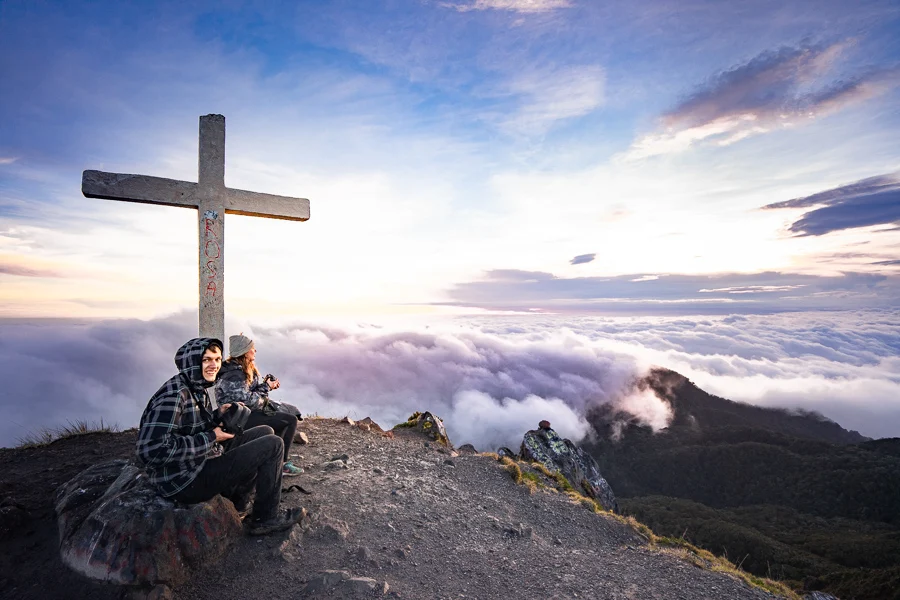
Stand next to the iconic metal cross at the peak to capture the highest point of this Chiriquí Province landmark. This spot provides a clear vertical composition with the surrounding clouds.
Planning a baru volcano 4x4 tour requires preparation for high-altitude terrain and variable weather conditions. Families find that the rugged off-road ascent offers a unique way to experience these iconic Chiriquí Province landmarks without the physical strain of a multi-hour hike.
Strollers are not suitable for this terrain due to the steep, rocky nature of the mountain path. Carriers are essential for infants and toddlers who cannot navigate the trail independently
This excursion is best suited for school-aged children who can manage long periods in a vehicle and handle significant changes in altitude. Parents should monitor younger children closely for symptoms of motion sickness during the transit
There are no baby-change stations or formal restroom facilities located at the summit. Please ensure all necessary supplies are packed in your day bag before departure as amenities are extremely limited
The best arrival window is 05:00–12:00 to ensure sufficient time to complete the summit ascent before closing at 13:00. Securing your baru volcano 4x4 tour tickets early helps avoid midday weather shifts
Pack plenty of water and calorie-dense snacks, as there are no food services available on the mountain. Having extra provisions is vital when finalizing your baru volcano 4x4 tour tours plan
Afternoon rain is common, making the morning window critical for your baru volcano 4x4 tour tour. Always check local forecasts before your scheduled ascent to ensure safety.
Dining options near the baru volcano 4x4 tour are limited, as the national park itself contains no commercial food facilities. Most visitors choosing a baru volcano 4x4 tour tour bring packed supplies, though small local establishments in the town of Volcán offer refueling stops after your descent.
A local favorite for fresh empanadas and coffee that serves as a perfect post-climb breakfast. It is often busy with hikers and guides early in the morning.
This venue provides hearty Panamanian meals including sancocho and grilled meats. It offers a comfortable setting to relax while waiting for your baru volcano 4x4 tour tickets to be processed or confirmed.
Known for serving high-quality regional coffee, this spot is ideal for a quick caffeine boost before or after your adventure. They also offer light sandwiches and pastries for those requiring a snack.
Everything you need to know for your journey
The park is open daily from 05:00–13:00 for your visit.
Yes, the 7 USD conservation fee per person is mandatory for entrance to Parque Nacional Volcán Barú.
It is highly recommended to book your baru volcano 4x4 tour online via the official site to ensure availability.
All visitors must remain with their designated transport and follow driver instructions at all times.
The transit typically takes 60 to 90 minutes depending on trail conditions.
Arrive between 05:00–12:00 to avoid afternoon rain and ensure enough time to complete the ascent before closing.
No, you must bring all food and water with you as there are no facilities at the summit.
Children can join, but please verify age and safety requirements directly with your tour operator.
Tours may be adjusted or rescheduled by operators based on safety conditions and park access status.
A trail famed for birdwatching opportunities and diverse flora.
Natural geothermal pools situated in a tranquil valley setting.
A scenic spot providing wide perspectives of the surrounding mountain ranges.
Comfortable lodging located near the main park transit hubs.
Sustainable stay focused on forest preservation and guest comfort.
Join thousands of happy travelers who have discovered this incredible experience
Book Your Experience Now